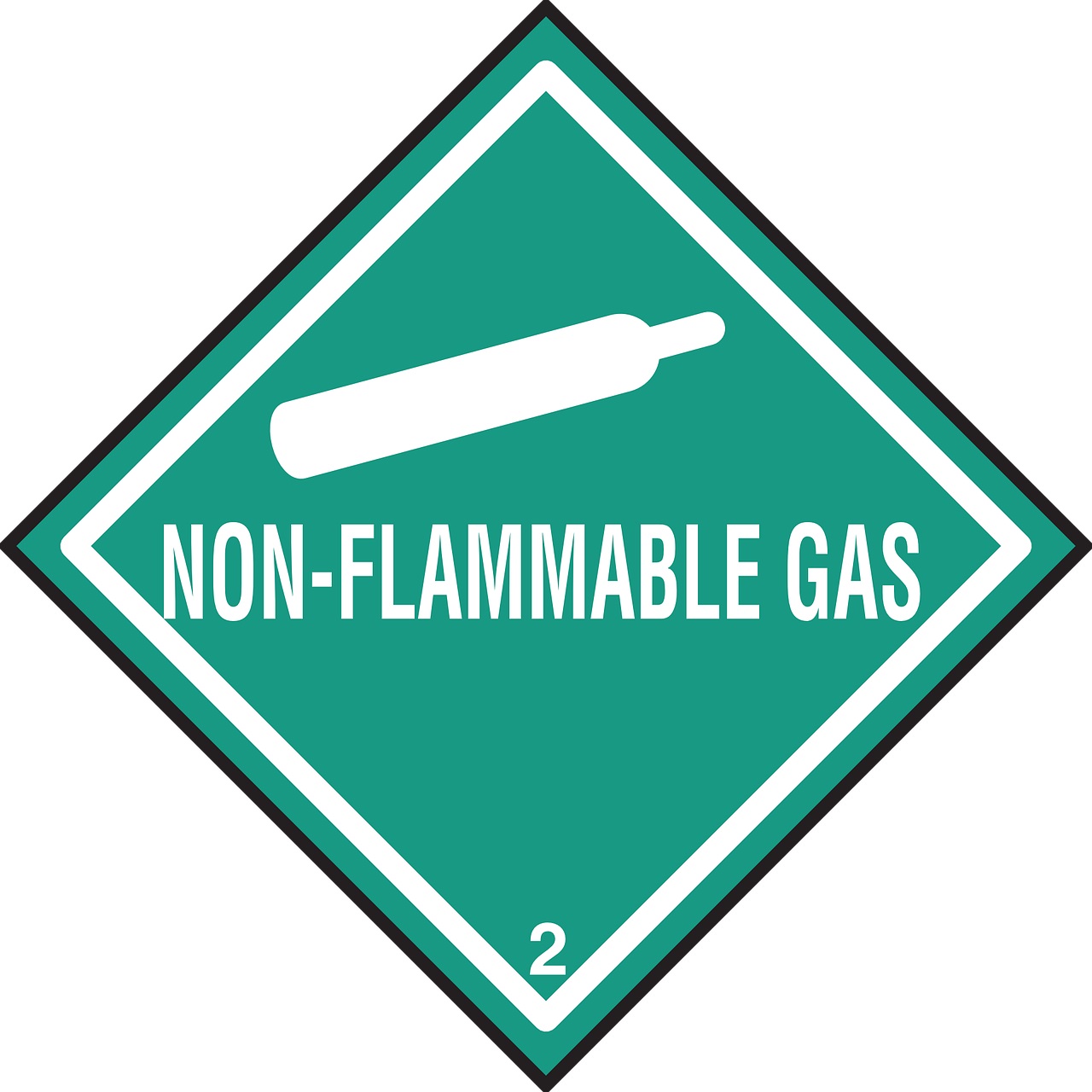
Does it burn or cause fire?
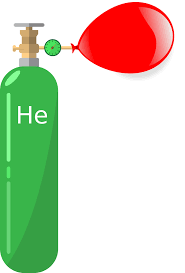
Contrary to popular belief, helium is not flammable. Helium (He), the second element on the periodic table, is a noble gas. This means it does not want to take or give away any of its electrons like most other elements do. It is happy with the number of electrons it has, meaning it is non-reactive!
Therefore, helium does not react in the same way Oxygen or Hydrogen does. Oxygen and Hydrogen can form to create water (H2O) because oxygen needs an electron and hydrogen wants to give one away. Oxygen can react with wood in the presence of heat to form fire because it's highly reactive. Oxygen is what causes aging of our cells, which is why antioxidants in foods have become so popular to slow down the aging process of say, our skin.
Helium doesn't react. You could say, it keeps its calm.